

 See My Latest Article on HelloNation
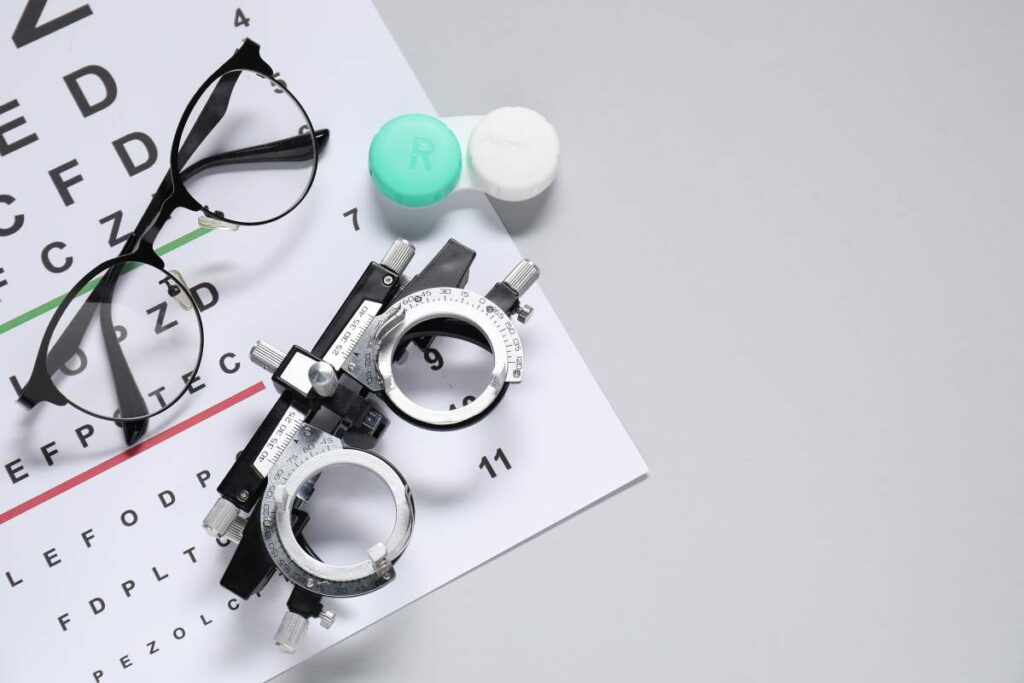
Eye problems do not always begin with obvious pain or major vision loss. Some cause irritation that is easy to dismiss, while others develop quietly and are first noticed through changes in reading, driving, night vision, or peripheral awareness.
For residents of Rapid City, dry air, bright sunlight, seasonal wind, dust, indoor heating, and extended screen use can all affect eye comfort. Knowing what common symptoms may mean can help distinguish a temporary irritation from a problem that needs prompt medical attention.
How can you tell whether blurred vision is a routine prescription issue?
Blurred vision that develops gradually in both eyes may come from an outdated glasses prescription, uncorrected astigmatism, eye dryness, or prolonged close-up work. Vision may temporarily sharpen after blinking, resting the eyes, or using appropriate lubricating drops.
Blurred vision deserves more attention when it:
- Appears suddenly
- Affects only one eye
- Comes with eye pain, severe redness, weakness, confusion, or trouble speaking
- Makes straight lines look wavy
- Is accompanied by flashes, new floaters, or a dark curtain in the field of vision
- Continues despite blinking or changing focus
A prescription problem generally does not cause severe pain, sudden vision loss, or a curtain-like shadow. Those symptoms may signal a more urgent condition.
What are the usual signs of dry eye?
Dry eye occurs when the eyes do not produce enough tears or when tears evaporate too quickly. Common symptoms include burning, scratchiness, redness, light sensitivity, watery eyes, and fluctuating blur.
Watery eyes can seem confusing, but irritation may cause the eyes to produce excess tears that do not provide lasting lubrication. People may also notice that their vision clears briefly after blinking.
Conditions in Rapid City can make dryness more noticeable, particularly during windy weather, low-humidity periods, winter heating, outdoor activity, or exposure to dust. Screen use can contribute because people tend to blink less while reading or working at a monitor.
Helpful habits include taking regular visual breaks, avoiding direct airflow from fans or vents, wearing protective eyewear during dusty tasks, and keeping contact lenses clean and properly stored. Persistent symptoms, significant pain, or light sensitivity should not be assumed to be simple dryness.
How does pink eye differ from allergies or irritation?
“Pink eye” commonly refers to conjunctivitis, an inflammation of the thin membrane covering the white part of the eye. It may be caused by a virus, bacteria, or an allergic reaction.
Viral conjunctivitis often causes redness, watery discharge, irritation, and sensitivity to light. It may begin in one eye and spread to the other. Bacterial conjunctivitis is more likely to produce thicker discharge or crusting around the eyelids. Allergies usually cause itching, watering, redness, and swelling in both eyes, often along with sneezing or nasal symptoms.
Itching is especially common with allergies, while significant pain, marked light sensitivity, or reduced vision is less typical and deserves medical evaluation.
Avoid rubbing the eyes, sharing towels or pillows, or using someone else’s eye drops. Contact lens wearers should remove lenses when the eye is red or painful and should not resume wearing them until it is safe to do so.
What are cataracts, and how are they noticed?
A cataract is clouding of the eye’s natural lens. It usually develops gradually and is more common with aging, although eye injuries, certain health conditions, and some medications can also contribute.
Typical signs include:
- Hazy or cloudy vision
- Glare or halos around headlights
- Difficulty seeing at night
- Faded or yellowed colors
- Frequent changes in glasses or contact lens prescriptions
- Double or multiple images in one eye
Cataracts do not usually cause sudden vision loss or intense pain. A person may continue functioning normally for a long time before realizing that night driving, reading, or recognizing faces has become more difficult.
Because similar symptoms can occur with other eye conditions, a vision change should not automatically be blamed on cataracts.
Why is glaucoma difficult to spot early?
Glaucoma damages the optic nerve, often through pressure-related changes inside the eye. The most concerning feature is that common forms may cause no pain or noticeable symptoms during the early stages.
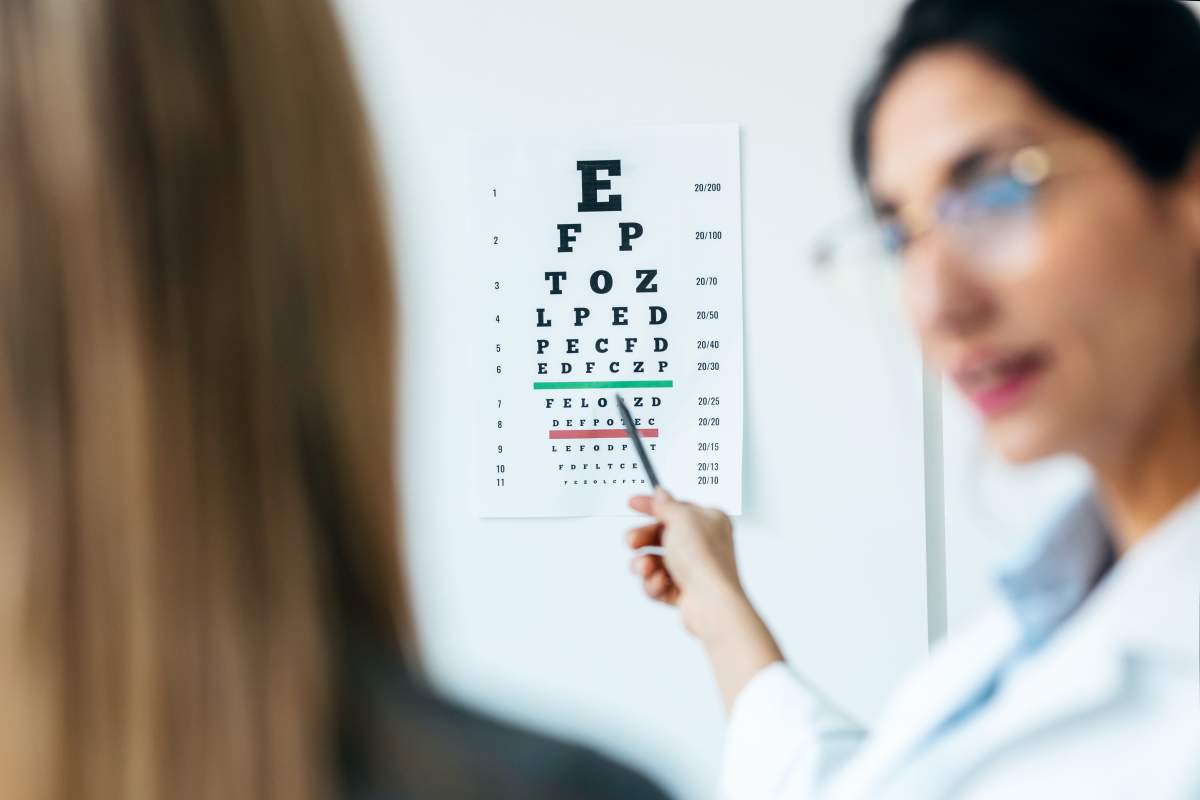
Over time, a person may lose side vision and unconsciously adapt by turning the head more often or bumping into objects. Central vision can remain clear until the disease is advanced.
Sudden severe eye pain, blurred vision, halos around lights, nausea, or vomiting can occur in an acute form of glaucoma and requires immediate medical attention. Routine eye examinations are important because glaucoma cannot reliably be identified by how the eyes feel.
Risk may be higher with age, a family history of glaucoma, diabetes, significant nearsightedness, or previous eye injury. A regular exam can detect changes before everyday vision is noticeably affected.
What do flashes and floaters mean?
Floaters look like small spots, threads, cobwebs, or shadows that move as the eyes move. Occasional floaters can occur as the eye changes with age. Flashes may appear as brief streaks or sparks, especially in dim surroundings.
New or suddenly increasing floaters are more concerning when they occur with flashes, blurry vision, loss of side vision, or a dark curtain or veil. These symptoms can indicate a retinal tear or detachment, which is an emergency.
Do not wait to see whether these changes disappear. Sudden vision loss, a curtain-like shadow, or a rapid shower of new floaters requires immediate medical attention.
When is eye redness an emergency?
Mild redness from dryness, allergies, or irritation may improve after the trigger is removed. Redness becomes more urgent when it is paired with:
- Moderate or severe pain
- Reduced or cloudy vision
- Strong light sensitivity
- Nausea or headache
- A recent eye injury
- Chemical exposure
- Pus-like discharge
- An irregular-looking pupil
- Contact lens use with pain or vision changes
If a chemical enters the eye, rinse continuously with clean water while seeking urgent medical guidance. Do not rub the eye or attempt to remove an embedded object.
How can an optician help identify a possible problem?
An optician can recognize signs that glasses or contact lenses may need adjustment and may notice that a person is struggling with glare, focus, or visual clarity. An optician can also explain safe lens care and help identify symptoms that should not be treated as a simple prescription issue.
Opticians do not diagnose every eye disease. Conditions involving eye health, sudden vision changes, pain, infection, or the retina require evaluation by an appropriate eye-care clinician. The key distinction is whether the problem is limited to visual correction or may involve the health of the eye itself.
Any sudden change in vision should be treated seriously, even if it affects only one eye or improves after a few minutes. Gradual symptoms also deserve attention when they interfere with reading, driving, work, school, or daily tasks.