
 See My Latest Article on HelloNation
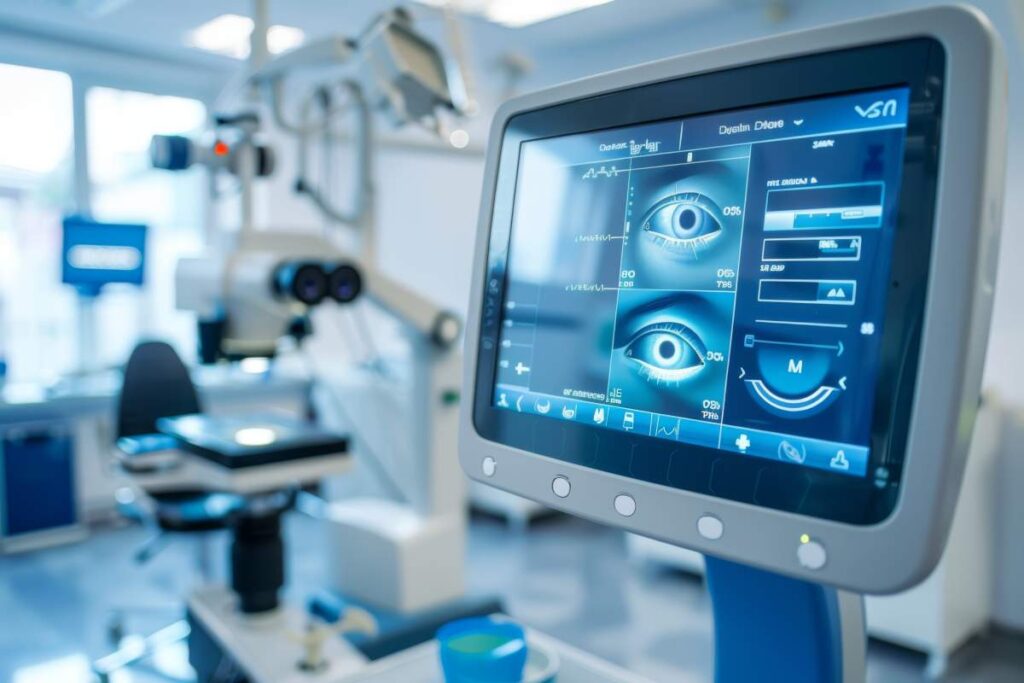
An eye exam is more than reading letters from an eye chart. A comprehensive exam checks how clearly you see, how your eyes work together, and whether there are signs of eye disease or health conditions that may affect vision.
For residents of Rapid City, SD, an exam may also be a useful time to discuss glare, dryness, seasonal irritation, changing prescriptions, and the practical demands of driving, computer use, school, outdoor work, or winter activities.
What should you bring to an eye exam?
Bring current glasses, contact lens information, a list of medications, and details about relevant medical conditions. Information about diabetes, high blood pressure, migraines, autoimmune conditions, previous eye injuries, or family history of glaucoma can affect which tests are appropriate.
It also helps to mention:
- Headaches, eyestrain, blurred vision, double vision, or frequent squinting
- Difficulty seeing at night or in changing light
- New floaters, flashes, shadows, or areas of missing vision
- Eye pain, redness, discharge, or unusual light sensitivity
- Trouble reading, using screens, judging distances, or seeing road signs
If contact lenses are involved, the examining clinician may ask how long they are worn, whether they are removed overnight, and whether discomfort or dryness occurs. Contact lens wear can change the surface of the eye and may affect some measurements.
What happens first?
The visit usually begins with a health and vision history. An eye-care professional may ask about current vision, past prescriptions, family history, medications, allergies, and the reason for the visit.
A preliminary check may measure visual acuity, eye pressure, pupil responses, color vision, or peripheral vision. Some offices use automated instruments to estimate prescription strength or create images of the inside or front of the eye. These measurements help guide the examination but do not replace the clinician’s evaluation.
An optician may be involved in reviewing eyewear needs, taking measurements for glasses, or discussing how a prescription is used. The medical eye examination itself is performed by an optometrist or ophthalmologist, depending on the type of care needed.
How is vision measured?
Visual acuity is usually checked with an eye chart. Each eye is tested separately, first without correction and then with current glasses or contact lenses when appropriate. The familiar result, such as 20/20, describes the smallest line of letters that can be seen at a standard distance. It does not describe every aspect of eye health.
Near vision may also be tested, especially for reading concerns or people who need help with close work. Children may use shapes, symbols, pictures, or matching cards rather than traditional letters.
The clinician may then perform a refraction. This is the familiar “Which is clearer, one or two?” process. Different lens powers are compared to determine whether nearsightedness, farsightedness, astigmatism, or age-related focusing changes are affecting clarity.
The goal is not simply to produce the strongest prescription. The useful prescription is the one that provides clear, comfortable vision for the person’s typical activities.
Which tests check eye health?
A comprehensive exam can include several tests, and not every test is performed in the same way at every visit.
Eye movement and coordination testing checks how the eyes track, focus, and work together. Problems in these areas may contribute to eyestrain, headaches, double vision, or reading difficulty.
Pupil testing examines how the pupils respond to light. Unequal or unusual responses can provide information about the eyes and the visual pathways connected to the brain.
Peripheral vision testing checks side vision. Reduced peripheral vision may occur with glaucoma, retinal problems, neurological conditions, or other issues.
Eye pressure measurement, often called tonometry, estimates the pressure inside the eye. It may involve a brief air puff or a small instrument that measures pressure after numbing drops. The test is generally quick. Eye pressure is one part of glaucoma evaluation; a single pressure reading does not diagnose or rule out glaucoma by itself.
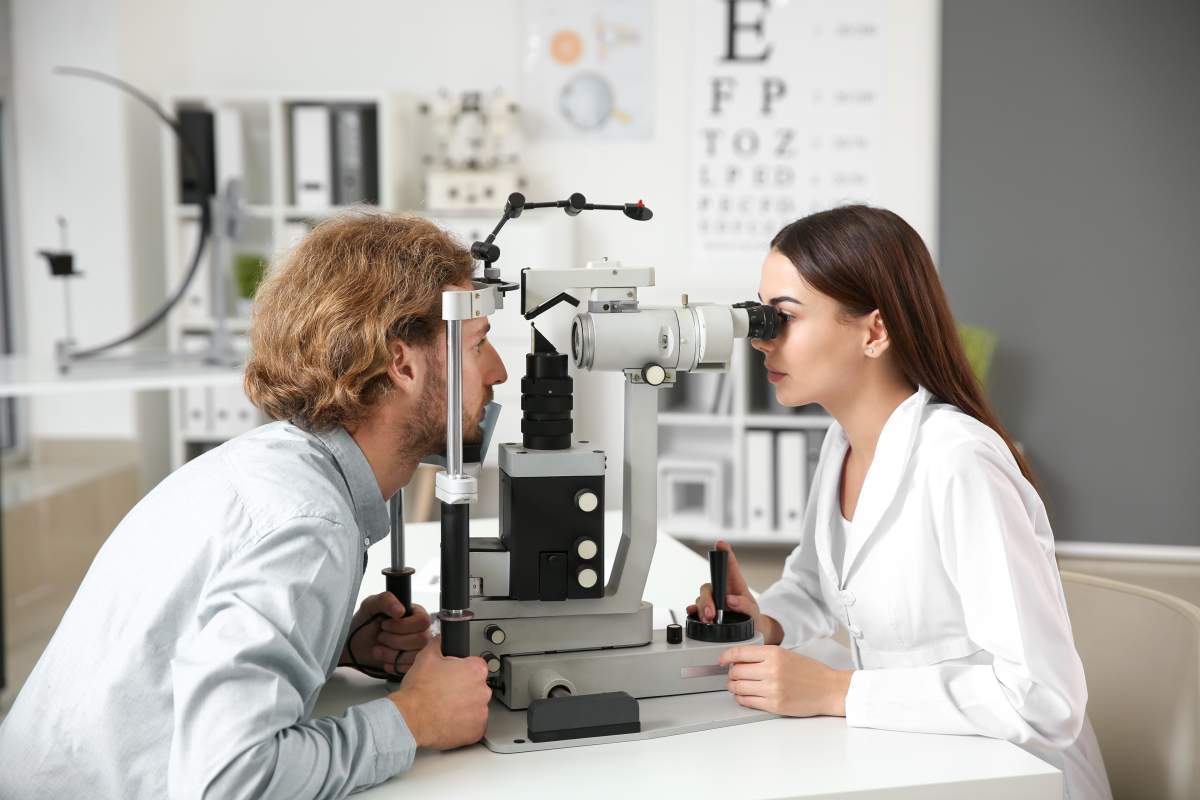
Microscope examination, using a slit lamp, allows the clinician to inspect the cornea, eyelids, conjunctiva, iris, lens, and other structures at high magnification. This can reveal irritation, infection, cataracts, inflammation, or changes associated with contact lens wear.
Why might the eyes be dilated?
Dilation uses drops to widen the pupils so the clinician can see more of the retina, optic nerve, blood vessels, and other structures inside the eye. This can help identify signs of conditions such as diabetic eye disease, glaucoma, retinal changes, cataracts, and macular problems.
Dilation is not required at every routine visit, but it may be recommended based on age, symptoms, medical history, family history, medications, or the findings from other tests. People with diabetes or high blood pressure may need more frequent medical eye monitoring.
The drops can cause light sensitivity and blurry near vision for several hours. Sunglasses may make the trip home more comfortable. If a person has previously had a strong reaction to dilation or is unsure about driving afterward, that should be discussed before the drops are used.
How long does an eye exam take?
A straightforward vision and eye-health exam may take about 30 to 60 minutes, although the length varies. Dilation, contact lens evaluation, additional imaging, children’s testing, or discussion of new symptoms can make the visit longer.
The examination itself should not be painful. Some tests may feel unusual, especially an air puff or bright light, but sharp pain is not expected. Pain, severe light sensitivity, or difficulty keeping the eye open should be reported immediately.
What happens after the exam?
The results should explain whether the main issue is a change in prescription, an eye-surface problem, a focusing or coordination concern, or a condition requiring monitoring or treatment. Ask what each finding means, whether the prescription is necessary for all activities, and when the next evaluation is appropriate.
A glasses prescription and an eyeglass fitting are related but separate steps. The prescription describes the optical correction; an optician uses that information along with measurements such as pupillary distance, frame position, and lens height to prepare eyewear. Not every prescription change requires new glasses if existing lenses still meet the person’s needs.
When should an eye exam be sooner than planned?
New or sudden vision changes deserve prompt attention rather than waiting for a routine check. Examples include sudden loss of vision, a curtain-like shadow, a large increase in floaters, repeated flashes of light, severe eye pain, significant redness with blurred vision, or double vision that begins suddenly.
Rapid City’s bright snow glare, dry air, wind, dust, and seasonal allergens can also make irritation or light sensitivity more noticeable. Those symptoms may come from surface dryness or allergies, but persistent, worsening, or one-sided symptoms should be evaluated rather than assumed to be environmental.
A regular exam can establish a baseline even when vision seems normal. Many eye conditions develop gradually and may not cause noticeable symptoms in their early stages.